
10 Reasons Every Grinding Plant Needs a Dedicated Dust Collection System
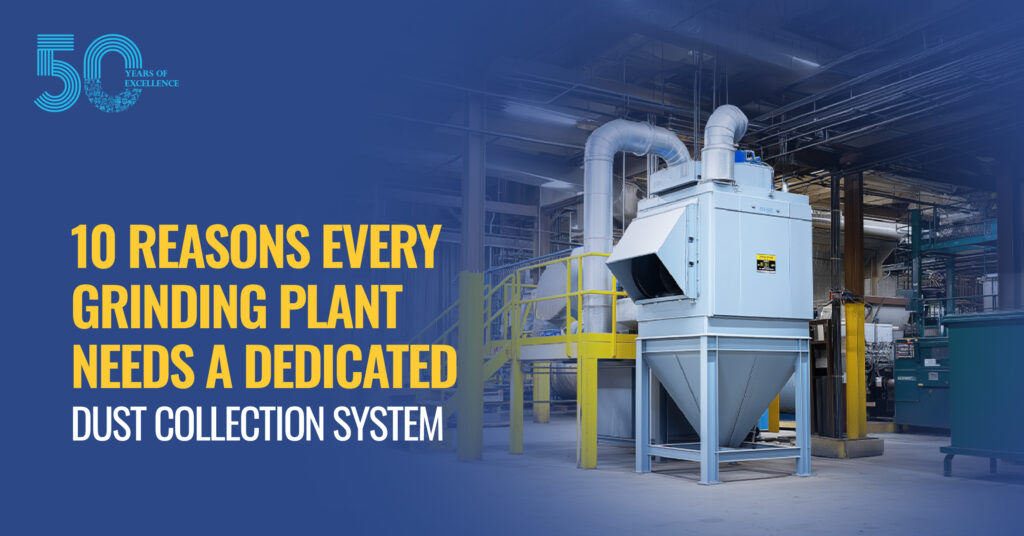
Air Pollution Control
Grinding plants operate in environments where fine dust is constantly generated, making dust control one of the most critical aspects of plant safety, performance, and longevity. Without proper collection mechanisms, dust can compromise product quality, damage equipment, reduce worker safety, and lead to unexpected downtime. This is why investing in a dedicated dust collection system isn’t just an operational upgrade; it’s a strategic necessity for ensuring smooth, compliant, and high-quality grinding operations.
Why Grinding Plants Need Dust Collection
Grinding operations release large volumes of airborne particulate matter that can quickly spread across the facility. These particles may be microscopic, but their impact is significant, affecting everything from health and safety to regulatory compliance and equipment life. A well-engineered system using advanced dust control solutions for grinding mills captures dust right at the source, ensuring the plant remains clean, efficient, and safe.
Here’s why dust collection is indispensable for grinding plants:
- It protects workers from inhaling harmful fine dust.
- It prevents premature wear and tear on grinding machinery.
- It eliminates product contamination and maintains consistent quality.
- It supports compliance with air quality, occupational safety, and pollution norms.
- It reduces manual cleaning frequency and lowers housekeeping costs.
- It improves overall plant hygiene and operational reliability.
Key Reasons Every Grinding Plant Should Invest In A Dedicated Dust Collection System
1. Enhanced Worker Safety
Grinding processes generate ultra-fine dust that can easily enter the respiratory system and cause severe health issues over time. Continuous exposure may lead to irritation, reduced lung function, or chronic occupational illnesses. A dedicated dust extraction system captures these particles at the source, ensuring cleaner air and significantly improving worker health, safety, and comfort on the shop floor.
2. Regulatory Compliance
Grinding plants must adhere to strict pollution control norms and occupational safety regulations. Excessive dust emissions can result in fines, legal action, and even shutdowns. A dedicated dust collection system ensures compliance with air quality standards, helping plants meet statutory requirements consistently and avoid unnecessary legal risks or operational interruptions.
3. Improved Product Purity
Uncontrolled dust can mix with the processed material, affecting particle size uniformity and overall product quality. Dust contamination not only reduces purity but also impacts the final product’s market value. With efficient dust control, cross-contamination is prevented, resulting in cleaner, more consistent, and high-value output that meets industry specifications.
4. Better Equipment Longevity
Dust settling on machinery—motors, control panels, sensors, and moving parts—accelerates wear and causes mechanical failures. Abrasive particles can damage surfaces and lead to overheating or inefficiencies. A dust collection system keeps equipment clean, reduces mechanical strain, and extends machinery life while lowering long-term maintenance costs.
5. Higher Production Efficiency
Dust buildup often leads to clogged pathways, restricted airflow, and unnecessary machine downtime. Clean equipment and controlled processes enable smoother operations with fewer interruptions. With a reliable dust collection system, grinding plants experience improved workflow, reduced breakdowns, and consistently higher throughput.
6. Reduced Housekeeping Costs
Without dust control, housekeeping teams spend a significant amount of time cleaning floors, machinery, and work areas. This ongoing manual effort results in higher labour costs and wasted resources. A dedicated dust collection setup minimises dust accumulation at the source, drastically cutting down housekeeping frequency and improving overall operational hygiene.
7. Fire & Explosion Prevention
In many grinding applications, fine dust particles are combustible and can pose serious fire or explosion risks when suspended in the air. A well-designed dust collection system safely captures these particles, preventing hazardous dust clouds from forming. This proactive safety measure protects workers, equipment, and the entire facility from disaster.
8.Improved Air Quality & Working Conditions
Airborne dust reduces visibility and creates a harsh working environment. Poor air quality impacts worker morale, focus, and performance. A dust collector continuously filters the air, ensuring a cleaner, clearer, and more comfortable workspace. This directly contributes to better employee well-being and overall productivity.
9. Energy Savings
Dust accumulation on equipment increases operational load and energy consumption. Fans, motors, and ventilation systems work harder when clogged with dust. Efficient dust control solutions optimise airflow, help maintain stable operating conditions, and significantly reduce the plant’s overall energy usage.
10. Environmental Protection
Dust emissions can extend beyond the facility, affecting nearby communities and natural surroundings. A dedicated dust collection system ensures pollutants remain contained within the plant, supporting sustainable operations and reducing environmental impact. This strengthens a company’s commitment to eco-friendly manufacturing and responsible industrial practices.
Conclusion – Major Benefits of Industrial Dust Collectors
Investing in industrial dust collectors ensures cleaner operations, safer working conditions, longer equipment life, and consistent product quality, thereby boosting plant performance and profitability. Having proper dust control solutions for grinding mills becomes a strategic necessity rather than just an operational upgrade.
At Rieco, we design and engineer our industrial dust collector machine to deliver clean, safe, and efficient grinding environments. Our solutions are built for reliability, long service life, and seamless integration into any grinding or material-handling setup.


