
Guide to Choosing the Right Electrostatic Precipitator
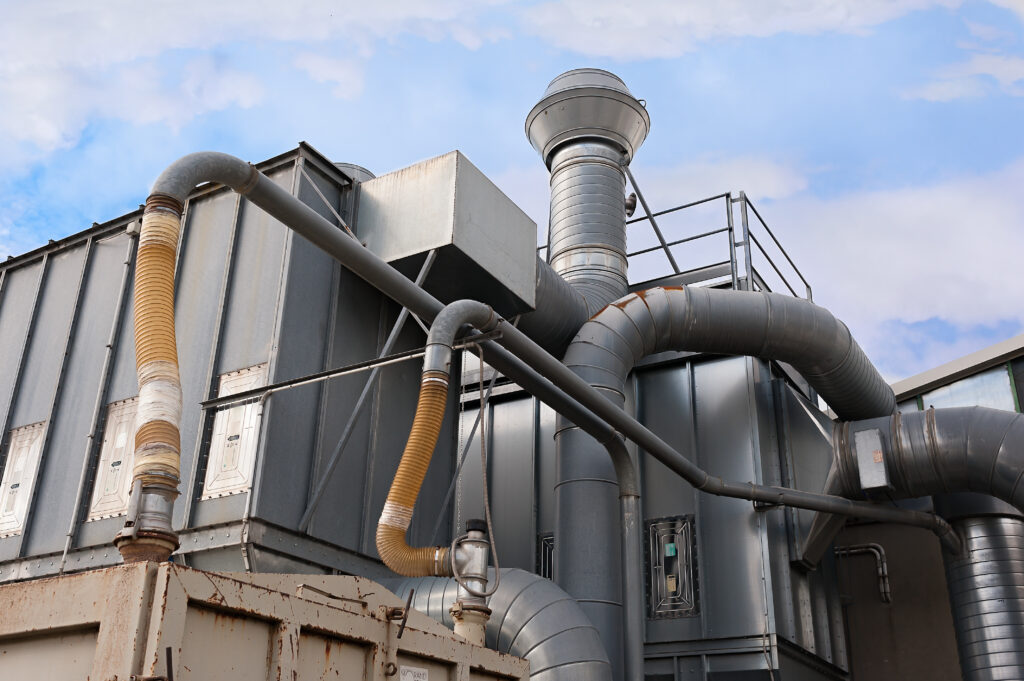
Electrostatic Precipitators (ESPs)
Here’s your cleaned, corrected HTML (no CSS). I fixed malformed/placeholder links, merged fragmented ordered lists, removed inline styles, improved grammar, standardized terminology, and added descriptive alt text.

Choosing the right electrostatic precipitator (ESP) is crucial for industries that need to control air pollution and maintain air-quality standards. ESPs come in several types with varied specifications, and selection typically requires a careful analysis of solids separation, dust reclamation, waste treatment, and gas purification needs. Here’s a concise guide to help you select the best ESP for your application:
1. Assess Airflow Requirements of the ESP
Determine the gas flow rate for your process. The ESP must handle the required volume without excessive pressure drop or flow interruptions. Specify both maximum and average flow rates because fluctuations affect collection efficiency and sizing.
2. Analyze Particle Characteristics
Understanding the particulate is fundamental to choosing a suitable ESP:
- Particle size & distribution: ESP performance depends on particle size. Larger particles (e.g., >10 µm) are typically easier to charge and capture. Very fine particles (PM2.5 and below) drive choices such as plate–wire vs. flat-plate designs and staging.
- Particle resistivity: Electrical resistivity influences charging and collection. High-resistivity dusts (≈1010 Ω·cm and above) are harder to charge and may require design changes (e.g., conditioning, temperature control, or different internals) to maintain efficiency.
3. Consider Gas and Particulate Conditions
- Gas temperature: Temperature affects gas properties and dust resistivity, impacting ESP efficiency. Confirm the ESP is rated for your operating temperature range.
- Chemistry/corrosivity: Gas composition and particulate chemistry influence material selection and maintenance. Corrosive/reactive streams may require corrosion-resistant alloys or linings to ensure service life.
4. Select the Appropriate ESP Type
Different ESP configurations suit different duties:
- Dry plate precipitators: Common for dry dust. Variants include plate–wire (suits large gas volumes such as cement and incineration) and flat-plate (greater surface area, good for finer particles; may need more maintenance).
- Wet ESPs: Intended for sticky, submicron, or high-resistivity particulates and mist. Washed collecting surfaces reduce re-entrainment and handle difficult aerosols; systems can be sealed to minimize losses when handling toxic or valuable materials.
5. Evaluate Maintenance and Operational Costs
- Capital cost: Initial investment can be high, so perform a lifecycle cost analysis. Newer designs can balance capex with long-term energy and compliance savings.
- Maintenance: Plan for rapping/cleaning systems, internals replacement, and access/inspection. Total cost of ownership includes both capex and predictable maintenance—choose designs with manageable upkeep.
6. Review Efficiency and Performance Specifications
- Collection efficiency: Verify guaranteed efficiencies and minimum particle sizes captured; ensure they meet your regulatory targets.
- Operational flexibility: Prefer ESPs that tolerate variations in load, temperature, and chemistry without sharp efficiency loss; flexibility adds long-term value.


